
So you want to study in Czechia...
· 4 min read
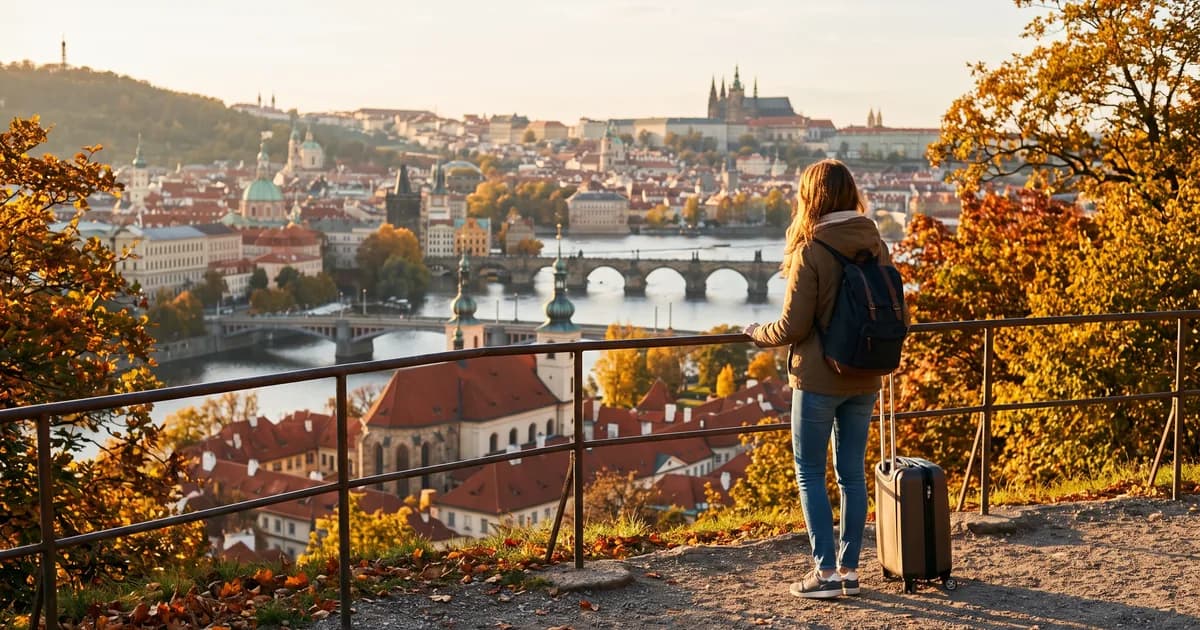
Good choice. Czechia sits in the middle of Europe, its public universities teach for free in Czech, and a Czech residence permit lets you travel across the Schengen area. But moving here as a non-EU student is a project, not a holiday. Here is the honest overview we wish we had before we came.
Why students pick Czechia
- Free education in Czech. Degree programmes taught in Czech at public universities are tuition-free, for foreigners too. Many students spend a year learning Czech first just for this.
- Affordable English programmes. If you study in English, public universities typically charge a few thousand euros a year, which is still less than in many Western European countries.
- Old, respected universities. Charles University was founded in 1348. Czech technical, medical and economics schools are well known across Central Europe.
- Location. Berlin, Vienna, Munich and Budapest are a short bus or train ride away.
- You can work. Students in accredited university programmes have free access to the Czech labour market, so a part-time job is possible as long as your studies stay the main purpose of your stay.
The honest downsides
- Housing in Prague is hard. Rents have climbed for years and dorm places run out.
- Bureaucracy is real. Visas, residence permits, insurance and address registration all come with deadlines and stamps.
- The language. Czech is beautiful and difficult. Outside university and the city centre, English is not guaranteed.
- Money has to be proven. You must show the state that you can support yourself, currently 115,810 CZK for a 12-month stay.
Your roadmap, month by month
Most programmes start in September. Work backwards from that date:
- 12 to 9 months before: pick your field, language (Czech or English) and a shortlist of universities. Check that the programme is accredited, since that matters for your visa and your right to work.
- 9 to 6 months before: apply. Deadlines for English programmes are often between January and April. Some schools hold entrance exams or interviews.
- As soon as you apply: start the recognition of your previous education (nostrification). For a bachelor's degree, your secondary school diploma usually has to be recognised by a Czech regional authority or the university. This can take weeks, so do not leave it to the end.
- After admission: book your embassy appointment immediately and ask about Student Mode, the fast-track programme for students from selected countries.
- 4 to 3 months before: collect your documents: proof of funds, proof of accommodation, health insurance, and a criminal record with translation and apostille.
- Embassy appointment: submit everything and pay the 2,500 CZK fee. The decision can take up to 60 days.
- Arrival: register your address, give biometrics at the Ministry of the Interior, and get a local SIM card and a student transport pass.
What it costs per month in Prague
These are typical ranges for one student. Your lifestyle will move them up or down.
- University dorm: 2,800–8,750 CZK
- Room in a shared flat: 10,000–15,000 CZK
- Food and groceries: 5,000–7,000 CZK
- Transport with a student pass: a few hundred CZK
- Phone and internet: 300–600 CZK
- Health insurance: depends on your age and insurer
Prague rents are roughly a third higher than in the surrounding Central Bohemian region, so living just outside the city and commuting can save money.
Expats.cz: student housing prices 2025/26
Five things nobody tells you
- Your insurance must cover your whole stay, not just the first months. A gap can cause trouble when you extend your permit.
- Your landlord's signature must be certified on the accommodation form, and many private landlords refuse to do it. Ask before you sign anything.
- Address changes have deadlines. Moving flats means telling the Ministry of the Interior.
- Extensions start early. You can apply to extend your permit from 120 days before it expires. Do not wait for the last week.
- Find your people. Student unions, buddy programmes and community groups from your home country make the first winter much easier.
Hero's tips
- Start recognising your diploma the day you apply. Nostrification can take weeks, and it is the step students most often leave to the end.
- Ask the international office about Student Mode early. Your university has to nominate you for the faster embassy appointments, and the programme covers only students from selected countries.
- Apply for a dorm place as soon as you can. Dorm places run out, and a dorm is the cheapest and simplest way to get the accommodation confirmation.
- Mark the extension window in your calendar. You can apply from 120 days before your permit expires. Do not leave it to the last week.

Where Hero fits in
Hero pojištění was built for students who move here. Health insurance is one of the documents the embassy and the Ministry check most closely, so talk to us early and we will help you get a policy that meets the rules for your whole stay.
See insurance for studentsGeneral information, not legal advice. Rules change — check anything important with us or with the Ministry of the Interior before you act on it.